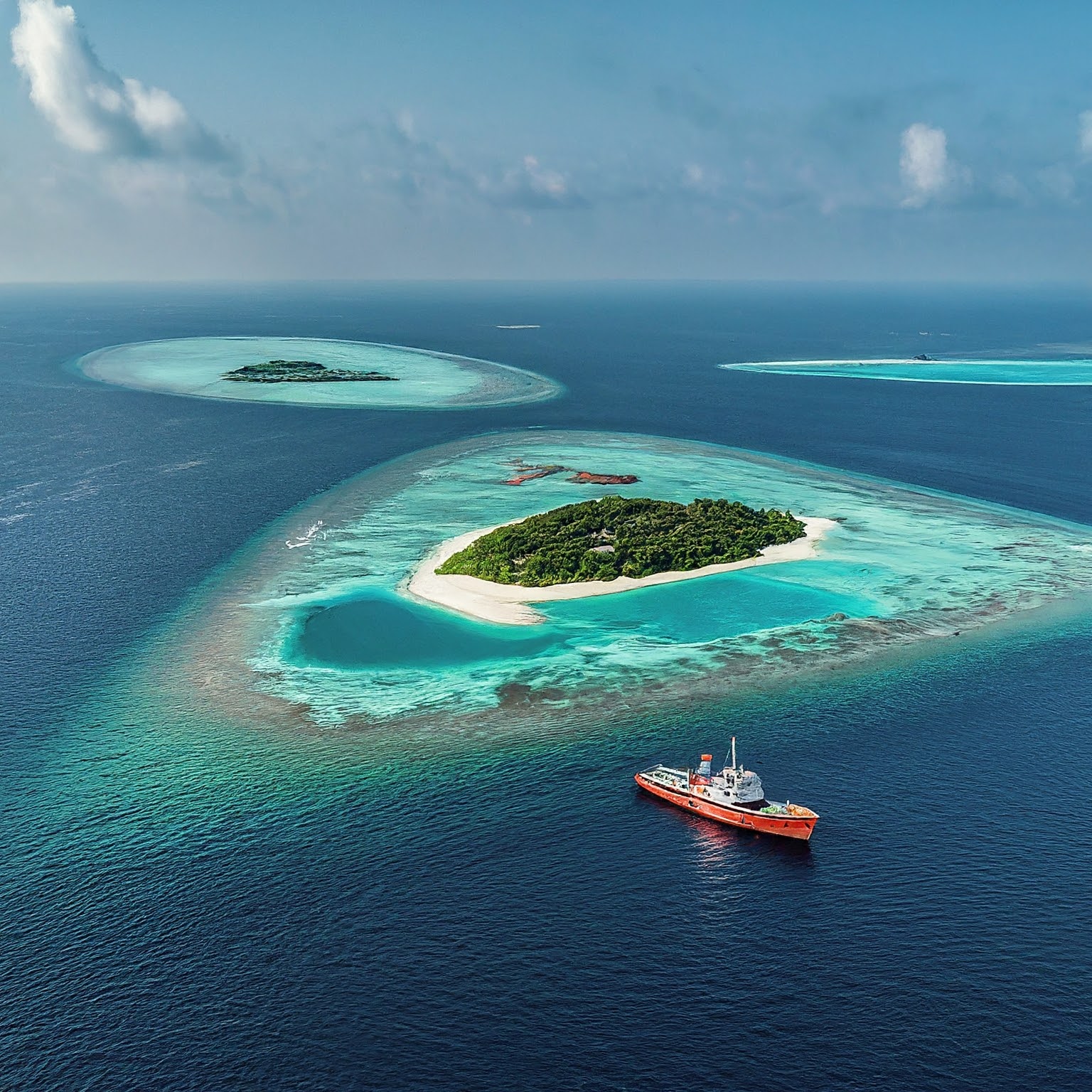
China’s strategic maneuvers in the Maldives, a nation strategically positioned in the Indian Ocean, are indicative of its broader geopolitical rivalry with India. Here’s why China is leveraging the Maldives in its contest with India:
Strategic Location
The Maldives’ location is of paramount importance to China’s maritime ambitions. Its proximity to crucial sea routes in the Indian Ocean provides China with a strategic foothold, allowing it to safeguard its maritime interests and secure access to vital trade routes.
Military Presence
China aims to establish a military presence in the Indian Ocean region to counter India’s influence and enhance its own power projection capabilities. The Maldives serves as a potential location for Chinese military installations, enabling Beijing to challenge India’s dominance in the region.
Economic Investments
China’s substantial investments in the Maldives’ infrastructure, including bridges and airports, are part of its broader strategy to expand its economic influence in South Asia. By funding key development projects, China seeks to deepen its economic ties with the Maldives and reduce its dependency on India.
Geopolitical Maneuvering
China views the Maldives as a battleground in its geopolitical contest with India. By cultivating close ties with the Maldivian government and investing in strategic infrastructure, China aims to undermine India’s influence in the region and establish itself as a dominant player in South Asia.

Competition for Influence
The Maldives’ oscillation between pro-India and pro-China stances reflects the intense competition for influence between the two Asian giants. China’s efforts to woo the Maldives away from India’s sphere of influence underscore its determination to challenge India’s regional hegemony.

China’s utilization of the Maldives as a strategic pawn in its rivalry with India demonstrates its multifaceted approach to expanding its influence in South Asia. By leveraging the Maldives’ strategic location and economic vulnerabilities, China seeks to counter India’s influence and assert its dominance in the Indian Ocean region.