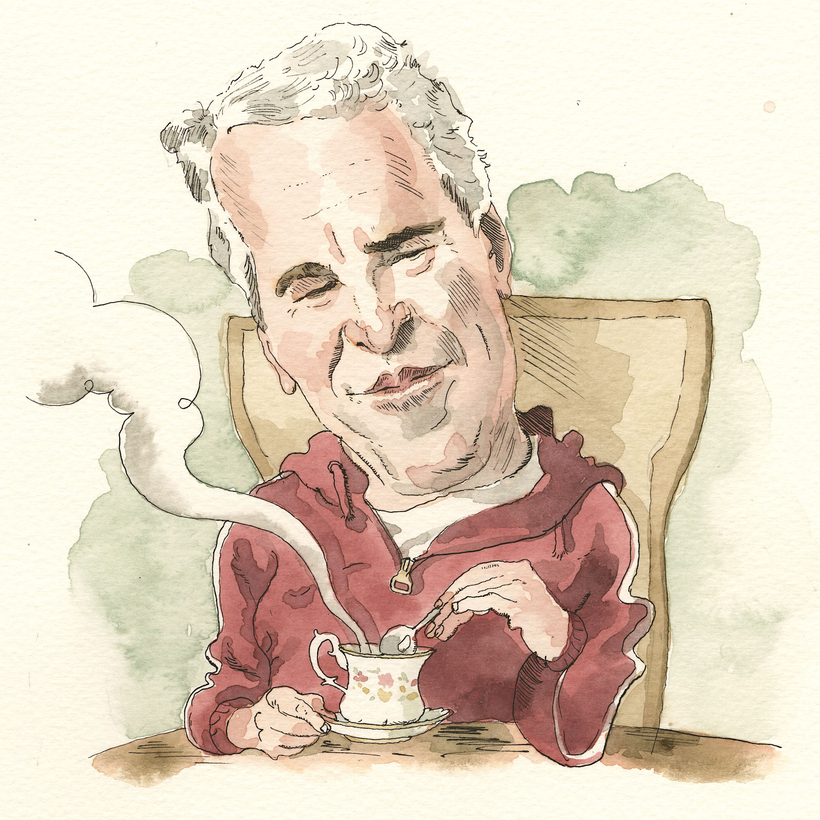
Few criminal cases in modern times have produced as much confusion as the so-called “Epstein files”. The phrase suggests a single secret dossier naming powerful offenders. In reality, it refers to thousands of pages of court material, testimony, and legal exhibits released over nearly two decades.
At its centre is a proven criminal enterprise: a wealthy financier who ran a sustained trafficking and abuse operation involving minors, and a justice system that failed to stop him early.
Who Jeffrey Epstein was
Jeffrey Epstein was an American financier who operated inside elite social networks. He was not a typical hedge-fund billionaire. Investigators later struggled to identify a conventional investment business, yet he maintained extraordinary wealth and access to powerful individuals across politics, finance, academia and royalty.
His best-documented financial relationship was with retail magnate Leslie Wexner, who granted him sweeping financial authority in the 1980s and 1990s.
The criminal operation
Court testimony described a recruitment system. A teenage girl was approached and offered money for a “massage”. The encounter turned sexual. The girl was then encouraged to recruit other girls and was paid for each referral.
Victims were generally aged 13–17. Under law, minors cannot consent. Therefore the crime is legally classified as sex trafficking rather than prostitution.
The 2005 investigation
A Florida parent reported abuse of her 14-year-old daughter to Palm Beach police. Investigators identified dozens of victims and recommended serious felony charges.
The 2008 plea deal
Federal prosecutors negotiated a non-prosecution agreement. Epstein pleaded guilty only to minor state charges, served 13 months in county jail with daily work release, and unnamed co-conspirators received immunity. Victims were not informed in advance.
A federal judge later ruled victims’ rights had been violated.
The 2019 arrest and death
New York federal prosecutors arrested Epstein in July 2019 on sex-trafficking charges. He faced a potential life sentence. On 10 August 2019 he died in a federal jail. The official ruling was suicide, though procedural failures generated intense public suspicion.
Ghislaine Maxwell
Prosecutors said Maxwell recruited and groomed victims and arranged travel. In 2021 she was convicted of sex trafficking and conspiracy and sentenced to 20 years in prison. Her conviction legally established that Epstein did not act alone.
What the “Epstein files” actually are
The files are not a client list. They are court records including:
- victim depositions
- flight logs
- emails
- financial records
- contact books
Many famous names appear because Epstein socialised widely. A name appearing in documents is not proof of wrongdoing.
A timeline
Epstein builds wealth, social connections and acquires properties in New York, Florida and the Caribbean.
Victims later testify that recruitment of minors and the referral system began during this period.
Palm Beach police identify multiple victims. Prosecutors negotiate a secret deal; Epstein serves 13 months in jail.
New York prosecutors charge Epstein with sex trafficking of minors.
Epstein dies in a federal jail before trial. Official ruling: suicide.
Ghislaine Maxwell is convicted of trafficking and conspiracy.
Courts unseal depositions, flight logs and contact records — collectively called the “Epstein files”.
What has been proven
- Minors were trafficked
- Payments were made
- Multiple victims existed
- Maxwell assisted recruitment
What has not been proven
- A global elite conspiracy network
- That every named person committed crimes
- Homicide instead of suicide